Why Your Best Clients Need You Most In December: Retention Strategies That Actually Work Over Christmas

Here's the thing about December: whilst most personal trainers are frantically chasing New Year resolution sign-ups, the smart ones are doubling down on the clients they already have. Because here's what trainers often miss: your existing clients are facing their biggest challenges right now, and how you support them through this period determines whether they'll still be training with you come February.
December isn't just another month in your calendar. It's when your clients' routines get completely turned upside down, their stress levels peak, and their usual coping mechanisms go out the window. The trainers who understand this and step up their support game? They're the ones with waiting lists whilst others are scrambling for clients in January.
Why December Is Make-or-Break Time
Your clients are dealing with a perfect storm right now. Work Christmas parties, family obligations, financial pressure, disrupted sleep patterns, emotional eating, and guilt about "falling off track." Meanwhile, they're bombarded with messages about New Year transformations and January detoxes that make them feel like failures before they've even started.
This is when many trainers go quiet, assuming clients want space during the holidays. Big mistake. Your best clients don't need space: they need support, understanding, and a voice of reason in the chaos.
The retention math is simple: keeping an existing client costs a fraction of acquiring a new one, and December is when that investment pays off most. A client who feels supported through the festive period becomes a client for life, not just for January.

The Hidden Cost of Holiday Client Loss
Most trainers don't realise what they're actually losing when clients drift away in December. It's not just the sessions you've booked: it's the relationship you've built, the trust you've earned, and the progress they've made. When someone leaves and comes back months later, you're starting from scratch.
But there's something else trainers miss: December clients become your best ambassadors. Think about it: if someone sticks with their training through Christmas, they're committed. They're the ones who'll recommend you to friends, leave glowing reviews, and become case studies for your success stories.
The clients who disappear in December often don't come back at all. They get swept up in the New Year rush with a different trainer, or worse, they give up entirely and associate fitness with failure and guilt.
Strategy 1: Become Their Reality Check, Not Their Guilt Trip
The worst thing trainers can do in December is pile on the pressure. Clients already feel guilty enough about missing sessions or eating too much at the office party. What they need is perspective, not more shame.
Instead of lecturing about consistency, help them reframe what success looks like during this period. Maybe it's maintaining strength rather than building it. Maybe it's moving their body three times a week instead of five. Maybe it's enjoying the festivities without completely abandoning their health.
Send them messages that acknowledge the reality: "I know this week is mental with work parties: want to do a quick 20-minute session to help you feel grounded?" This approach shows you understand their world, not just your training programme.
Strategy 2: Create Holiday-Specific Support Systems
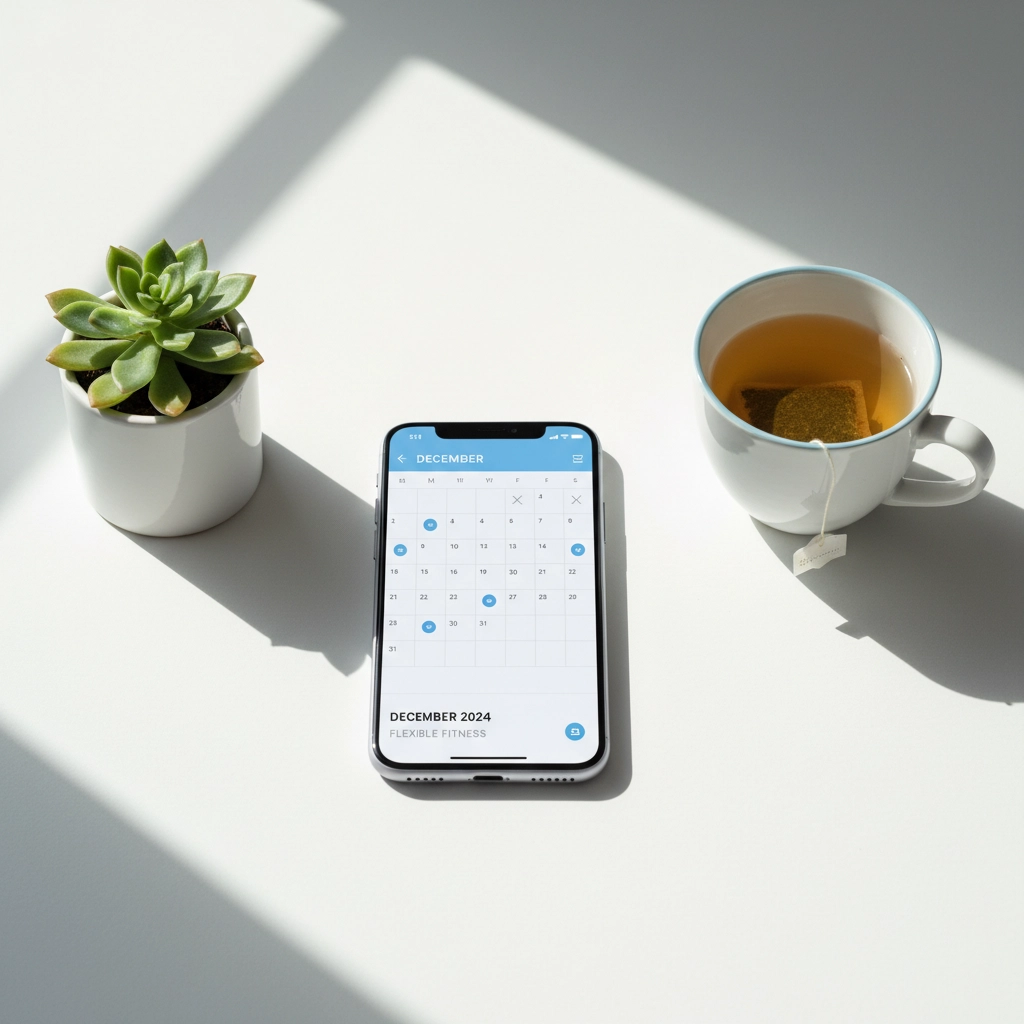
Smart trainers adapt their service to fit December's chaos. This might mean offering shorter sessions, more flexible scheduling, or even virtual check-ins. The key is making it easier for clients to stay connected, not harder.
Consider creating a private WhatsApp group for your long-term clients where you share quick tips for managing holiday stress, healthy party food swaps, or 10-minute workouts they can do in hotel rooms. This keeps you front-of-mind without being pushy.
Some trainers offer "damage control" sessions: quick workouts designed specifically for when clients feel they've overdone it. These sessions aren't about punishment; they're about helping clients get back on track mentally and physically.
Strategy 3: Focus on Habits, Not Outcomes
December is when the motivation-first approach falls apart. Clients who rely on willpower alone crash and burn when faced with mince pies and mulled wine. But clients who've built genuine habits? They navigate the holidays much better.
Use this time to reinforce the small, non-negotiable habits that actually matter. Maybe it's their morning walk, their evening stretch routine, or simply staying hydrated. These might seem insignificant, but they're the threads that hold everything together when life gets chaotic.
Help clients identify their "minimum viable routine": the absolute least they can do to maintain momentum. This might be two 15-minute walks per week or one strength session. The goal isn't perfection; it's continuity.
Strategy 4: Provide Emotional Support, Not Just Physical Training
Here's what many trainers don't realise: December client retention isn't really about fitness: it's about emotional support. Your clients are dealing with family stress, financial pressure, social anxiety, and seasonal depression. The trainers who acknowledge this and offer genuine support are the ones clients remember.
This doesn't mean becoming a therapist, but it does mean being human. Check in about how they're feeling, not just how their training is going. Acknowledge that December is tough for everyone and that maintaining perfect routines isn't realistic or necessary.
Sometimes the most valuable thing you can offer is perspective: "You're not broken because you missed three sessions this week. You're human, and you're dealing with a lot right now."
Strategy 5: Plan for January Together, Don't Abandon Them to It
Whilst other trainers are preparing their New Year marketing campaigns, smart trainers are having honest conversations with existing clients about what January actually looks like. Not the fantasy version: the real version.
Help clients set realistic expectations for January. If they usually train five times a week, maybe start with three in January and build back up. If they're planning a dry January, help them think through what that means for their social life and stress management.
This planning process keeps you involved in their future rather than hoping they'll remember you when motivation strikes in January. You become part of the solution, not just another fitness option.

The Long Game: Building Relationships That Last
The trainers who thrive understand that December isn't about maintaining perfect programmes: it's about deepening relationships. When you support someone through their most challenging time, you don't just retain a client; you gain an advocate.
These are the clients who stick around for years, who refer their friends, who become testimonials for your approach. They understand that training with you isn't just about getting fit: it's about having someone in their corner who understands their real life.
December client retention isn't about being the strictest trainer or having the most advanced programmes. It's about being the trainer who gets it: who understands that life is messy, that December is hard, and that sometimes the best thing you can do is remind someone that they're doing better than they think.
Your December Action Plan
Start with your longest-standing clients: the ones who've been with you six months or more. Reach out personally, acknowledge that December is challenging, and ask what support would be most helpful. Don't assume you know what they need.
Adapt your service delivery for the reality of December. This might mean shorter sessions, more flexible scheduling, or different types of support entirely. The goal is to make it easier for clients to stay connected, not to maintain your usual programme despite the circumstances.
Most importantly, remember that your role in December isn't to be the fitness police: it's to be a voice of reason and support in a chaotic time. The trainers who master this approach don't just retain clients through the holidays; they build relationships that last for years.
Comments